
Exploring Ebook Readers with Stylus Technology
Intro
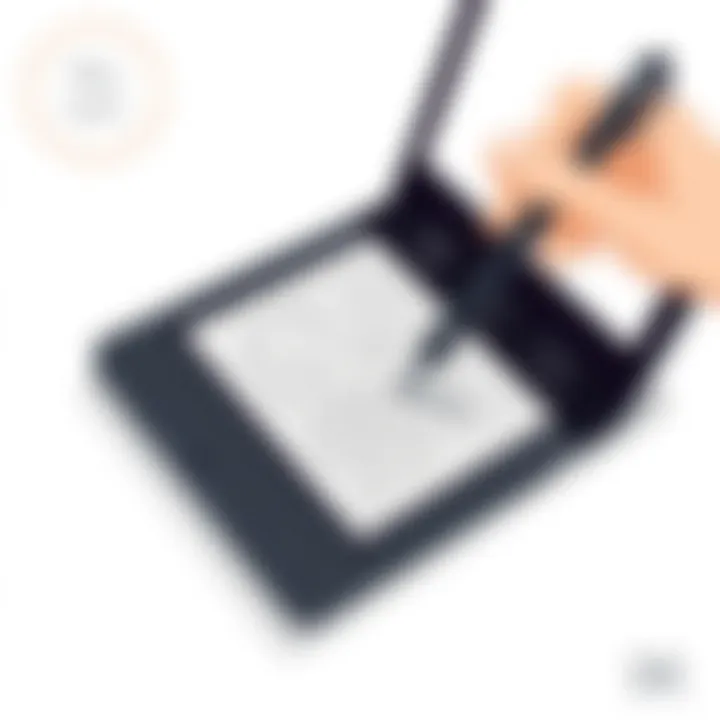
Ebook readers have transcended their original purpose of merely displaying digital texts. In recent years, the inclusion of stylus functionality has sparked a fresh wave of interest among tech professionals and avid readers alike. This shift presents not just an upgrade in hardware but a rethinking of how we engage with digital literature and information. The ability to annotate, highlight, and take notes directly on the screen mirrors the experience of traditional reading but enhances it through seamless digital integration.
With the rise of remote work and the ever-growing demand for efficient digital tools, ebook readers equipped with styluses offer a unique solution for note-taking and document review. By merging the tactile nature of pen-and-paper with the versatility of digital formats, these devices cater to a wide range of professional fields, from education to research, design to programming.
In this article, we will explore the capabilities of these innovative tools, diving into their performance metrics, usability, and unique user experiences. Understanding these aspects is crucial for IT professionals and tech enthusiasts looking to maximize their potential. So, let's roll up our sleeves and get into the nitty-gritty of what makes these modern ebook readers worth considering.
Prelims to Ebook Readers with Stylus
The landscape of digital reading has transformed significantly over the past few years, particularly with the introduction of ebook readers that boast stylus functionality. This shift is not merely a trend but a pivotal evolution in how we interact with digital content. The integration of styluses into ebook readers is something worth discussing, as it opens up avenues for practical applications, especially for those in tech sectors and academia.
Incorporating a stylus into the ebook reading experience can significantly enhance the way users take notes, annotate texts, and interact with various digital materials. This is particularly beneficial for professionals who often juggle reading and writing tasks. For instance, instead of flipping through pages or typing notes on a separate device, users can directly write their thoughts on the page they are reading. This seamless integration not only fosters productivity but also promotes a more engaging reading experience, bridging the gap between traditional and digital interactions.
Moreover, as the functionalities evolve, so do the complexities associated with ebook readers and their accompanying styluses. Users must be cognizant of hardware specifications, software compatibility, and the specific features that suit their needs. As the saying goes, "you get what you pay for"; understanding what these devices offer ensures that users can make informed choices.
In this article, we will delve into the nuances of ebook readers equipped with stylus technology. We will touch upon definitions, the journey of their evolution, the specific technologies behind styluses, and how these features can significantly affect usability and functionality in both personal and professional contexts.
Stylus Technology Explained
Stylus technology is not just a gimmick; it plays a critical role in enhancing the capabilities of ebook readers today. As we dive deeper into this segment, it becomes evident that a stylus opens new avenues for interaction between the user and digital content. Rather than merely serving as a method of navigation, a stylus on these devices allows for precise input and has significantly elevated the user experience. Whether it is for jotting down notes during an important meeting or highlighting text in an ebook, the integration of stylus technology marries the tactile engagement of traditional writing with the versatility of modern digital tools.
Types of Styluses
There are several styles of styluses available on the market, and understanding the specific types is key for selecting the best one suited for your needs.
- Passive Styluses: These do not require a battery or any electronic components. They work with the electrical conductivity of the touchscreen itself. They’re simple and inexpensive, making them a solid choice for basic tasks.
- Active Styluses: These are more advanced, featuring pressure sensitivity and often have a built-in battery. Active styluses can detect varying levels of pressure, making them ideal for drawing or detailed note-taking.
- Smart Styluses: These are enhanced active styluses that connect to devices via Bluetooth. They often come with smart features like palm rejection and customizable buttons. Such options are particularly compelling for tech enthusiasts and professionals who demand accuracy in their digital tasks.
When considering which stylus to choose, think about your primary use case. Are you sketching designs or just signing documents? The right stylus can make a world of difference in your digital interaction.
Pressure Sensitivity and Precision
The importance of pressure sensitivity cannot be overstated when discussing stylus technology. This feature allows users to adjust the thickness and opacity of their strokes based on how hard they press down. It's akin to using a traditional pencil, where lighter strokes yield delicate lines and harder presses produce bolder marks.
For instance, artists will find pressure sensitivity essential when trying to achieve a certain aesthetic in their work. Whether blending colors in an illustration or creating sharp contrasts, the ability to modulate line thickness makes the stylus an indispensable tool.
Precision also plays a key role in user experience. The fine tip of an active stylus can enable pinpoint accuracy, allowing users to interact with small text or intricate designs without the frustration often caused by fingers on screens. This aspect becomes crucial for educators and students alike, where clarity in note-taking is paramount. Thus, understanding these capabilities can help users make informed decisions about stylus-integrated ebook readers.
Smart Features of Modern Styluses
Modern styluses come bundled with smart features designed to enhance usability further. Palm rejection, a feature that allows users to rest their hands on the screen without affecting their input, has become a must-have. This ensures that while writing or drawing, users don't inadvertently create marks on the screen where their palms rest.
Additionally, many styluses can be customized through connected apps. Features that allow setting shortcuts for specific actions can make tasks much more efficient. For example, a button on the stylus might allow users to switch between different brush types or quickly save notes. This degree of customization makes stylus technology in ebook readers particularly appealing for those who value efficiency.
"In the realm of digital freehand writing, the integration of smart stylus features transforms the user experience from merely functional to touchingly personal."
Also worth mentioning is the often overlooked aspect of battery life, which varies between styluses. Users should consider how often they'll charge their devices. High-end styluses with advanced functionality may need more frequent charging but offer capabilities that can outweigh this inconvenience for professionals who rely heavily on their stylus.


In summary, the blend of stylus technology with ebook readers emerges not only as a practical enhancement but as a transformative element in how users engage with digital content. Each type of stylus, along with its features, aims to create a seamless bridge between traditional note-taking and modern technology.
Integration of Stylus with Ebook Readers
In recent years, the blend of stylus technology with ebook readers has transformed how users engage with digital content. This integration stands at the intersection of reading and creativity, unlocking a spectrum of functionalities that were once the domain of high-end tablets alone. By incorporating a stylus into ebook readers, manufacturers not only enhance the utility of these devices but also cater to a diverse audience of readers, students, and professionals alike. The implications are vast, affecting everything from note-taking efficiency to the accessibility of educational materials.
Hardware Considerations
When it comes to the integration of stylus functionality, hardware plays a pivotal role. A few key aspects deserve special attention:
- Stylus Design and Build: The physical characteristics of the stylus can greatly influence user experience. Manufacturers need to prioritize ergonomics and weight to ensure that the stylus feels comfortable during prolonged use.
- Screen Technology: The type of display used in ebook readers must support stylus input. Many modern displays utilize advanced touch technology that registers both finger and stylus inputs, providing seamless interaction.
- Battery Life Impact: The addition of a stylus can also affect the internal battery usage. While many models incorporate energy-efficient features, users should be mindful of the overall battery life when utilizing stylus functions frequently.
Software and Application Compatibility
For a stylus to be truly effective, it must work hand-in-glove with the software ecosystem of the ebook reader. Several factors contribute to this synergy:
- Supported File Formats: The ability to annotate directly on various document types can elevate the reading experience. Ebook readers that support PDFs and ePub formats can significantly enhance the utility of stylus features.
- Application Integration: Many ebook readers now allow for the use of third-party applications designed for note-taking and drawing. This compatibility broadens the horizon for users seeking more than just a reading experience.
- Regular Software Updates: Continuous improvements through firmware updates ensure that stylus functionality evolves alongside user needs, benefiting from the latest advancements in digital ink technology.
User Interface and Experience
A well-thought-out user interface can make or break the perception of stylus integration in ebook readers. Here are some elements that greatly influence user satisfaction:
- Intuitive Design: The interface should be user-friendly, with easy navigation that allows users to switch between reading and annotation modes without any hassle.
- Customizable Settings: Giving users the option to customize stylus settings—for instance, pressure sensitivity and line thickness—can cater to individual preferences, enhancing personal creativity.
- Feedback Mechanism: Visual and haptic feedback when using a stylus can lead to a more engaging experience. This kind of tactile response provides reassurance to the user, indicating that their inputs are being registered accurately.
"The integration of stylus technology with ebook readers is not merely an upgrade; it is a reimagining of how we interact with digital texts."
In essence, the integration of stylus functionality into ebook readers represents a significant leap forward—offering challenges and opportunities alike. Manufacturers must balance hardware capabilities, software compatibility, and user experience to truly harness the potential of this technology. As these devices further evolve, so too will the ways in which we read, learn, and create in the digital landscape.
Comparative Analysis of Popular Models
Analyzing various ebook readers that incorporate stylus functionality is crucial, especially within the context of technology's rapid evolution. This section not only provides a roadmap for potential consumers but also offers insights into how each model may fulfill specific needs. A comparative analysis can highlight different features, performance metrics, and user experiences — allowing professionals to make informed choices. Additionally, understanding how these models stack up against each other helps identify trends and shifts in design, engineering, and usability that matter in today’s tech-driven world.
Feature Comparison
When it comes to ebook readers with stylus capabilities, the features can vary significantly across different models. For instance, consider the differences between the Remarkable 2 and the Amazon Kindle Scribe. While both devices promote note-taking and annotation, their approaches differ:
- Remarkable 2: This device focuses heavily on the writing experience, featuring a unique paper-like display. The stylus does not require charging, making it exceptionally user-friendly for extended use. Moreover, it includes advanced note organization and search functionalities.
- Amazon Kindle Scribe: This model offers features tailored to a broader audience. Not only does it allow for typical ebook reading, but it also supports PDF annotations and has an extensive library ecosystem that's hard to beat. However, the stylus does require battery power, which could be a turnoff for some users.
A detailed table comparing specifications, such as screen resolution, storage capacity, and weight, can provide a quick reference guide for those in the market for a stylus-enabled ebook reader, forming a foundational aspect of the decision process.
Performance Assessment
Performance is pivotal when evaluating ebook readers with stylus functions. Here, we dig into processing power, responsiveness, and overall user experience. For instance, the Sony DPT-CP1 stands out because it runs smoothly during note-taking sessions, allowing for minimal lag, which enhances the experience considerably. In contrast, the Boox Note Air has a slightly slower response time, particularly when handling complex tasks or multitasking.
One notable performance metric is the stylus latency. Higher-end models typically have lower latency, leading to a more natural writing experience. A user no doubt appreciates when their handwritten notes transition seamlessly into digital form.
Additionally, battery consumption, especially given that some models allow for multiple functionalities like reading, writing, and digital markup, can shape users’ experiences. A device capable of sustaining its performance over long periods without frequent charging will naturally appeal to professionals who often find themselves in active, demanding settings.
User Feedback and Reviews


User opinions and reviews are essential in gauging how well these devices perform in real-world applications. For instance, many users have commended the Apple iPad with Apple Pencil for its versatility, as it doubles as both a robust shelf for ebooks and an instrument for creative pursuits. Users particularly appreciate the seamless integration of drawing and note-taking apps, which enhances productivity in professional scenarios.
On platforms such as reddit.com and amazon.com, real user experiences paint a vivid picture of each device's strengths and weaknesses.
Conversely, models like the Kobo Elipsa have drawn criticism for its limited stylus features, with users expressing disappointment in the lack of software refinement necessary to make full use of it.
To sum up, while the star ratings and endorsements are useful, it’s the detailed narratives — the stories of individual experiences — that provide the most insight into the functionality and practicality of each model.
Applications of Stylus in Ebook Readers
The integration of stylus functionality in ebook readers is reshaping the way users engage with digital content. This section focuses on several pivotal applications that the stylus brings to the forefront of ebook interaction, shedding light on the benefits and considerations that accompany these developments.
Note-Taking and Annotation
One of the most immediate advantages of having a stylus with an ebook reader lies in the ability to take notes and annotate directly on the screen. This feature is akin to wielding a pen on paper, bridging the gap between digital reading and traditional study methods. Users can underscore critical points, write margin notes, or even sketch illustrations that coincide with their readings. The tactile feedback received from a stylus enhances the experience, making the act of note-taking more intuitive and engaging.
Imagine a student preparing for a crucial exam, flipping through pages of a digital textbook. With the stylus in hand, they can highlight passages that resonate with them or jot down thoughts in real-time. These notes can often be saved and organized for easy retrieval, which is a leap ahead of jotting down notes on separate pieces of paper. Note-taking thus transforms from a mundane chore into an interactive process that fosters deeper comprehension and retention of knowledge.
Creative Uses in Professional Settings
In professional environments, the stylus opens doors to innovative applications that were previously cumbersome with standard ebook readers. Designers and illustrators, for example, can directly draw or sketch out ideas while referencing digital documents. This functionality streamlines workflow, as concepts can be brought to life without the need to switch between devices or mediums.
Moreover, professionals in fields such as architecture or engineering can annotate plans and proposals directly on their ebook devices. This capability promotes faster collaboration, where team members can share revised documents filled with insights and ideas without disrupting the rhythm of a brainstorming session. By incorporating the stylus, ebook readers become a critical tool for creative professionals, serving as a canvas to sketch, outline, and refine their visions.
Advantages for Students and Educators
The advantages of stylus functionality extend well into educational realms, benefiting both students and educators alike. For students, the ability to engage directly with materials enhances active learning—promoting engagement that passive reading simply cannot achieve. With stylus support, students can interactively highlight text, summarize key points, or even structure mind maps that reflect their understanding. This hands-on approach equips learners with skills essential for academic success.
On the educator's side, the stylus aids in creating dynamic lesson plans and interactive presentations. Teachers can draw diagrams, write prompts, or illustrate concepts in real-time, making complicated subjects more digestible. Additionally, collecting student feedback through stylus-enabled annotations fosters a participative classroom environment, where students feel valued and heard. This interaction not only contributes to a stronger educational experience but also enhances the ability to pinpoint areas where learners can improve.
In recreating the learning atmosphere, stylus-compatible ebook readers transform passive consumption of information into an engaging, interactive experience. As technology progresses, it's likely that we will see an increase in adoption and development of tools designed specifically for stylus integration in educational contexts.
"The stylus is not just a tool; it's a bridge between thought and expression, reinventing the way we interact with knowledge and creativity."
Challenges and Limitations
Ebook readers equipped with stylus functionality present a plethora of opportunities, but they are not without their challenges. These limitations are vital to consider for any serious user in the tech space. Addressing these pitfalls not only prepares potential buyers but also informs current users of what to keep an eye on. Understanding battery life, cost, and durability are the cornerstones of navigating this landscape effectively.
Battery Life Considerations
The battery life of ebook readers with stylus capability can often be a double-edged sword. Since the addition of a stylus increases the range of functionality, it naturally draws more power. Users may expect a long-lasting device, but they might find themselves at home hunting for their charger halfway through a busy day.
When evaluating the battery performance, it’s crucial to look at the specifications provided by manufacturers. Some models boast incredible readings in terms of weeks of usage, but those figures can wane dramatically when factoring in the continuous use of a stylus for note-taking or drawing. Additionally, a device that hangs onto its charge for ages might experience diminished performance when it comes time to use those advanced features. Finding the right balance between functionality and longevity is essential.
Cost Implications
While stylus functionality brings a host of advantages, it also raises the overall cost of ebook readers. The initial price tag is often higher than traditional models. This is an important consideration for many potential buyers, particularly for students or educators who are balancing budgets.


When examining options, users should weigh the price against the features offered. Is the stylus precision worth a few extra dollars? Researching models that blend affordability with capability can lead to a satisfying buy. Moreover, potential future costs linked to accessories and replacement parts should also be kept in mind. Investing in a more expensive model for enhanced features can often seem easier than looking for cheaper alternatives that may ultimately be less effective.
Durability and Wear
Durability is yet another factor that can’t be overlooked. The stylus, while a wonderful tool, can introduce wear and tear on the device surfaces. Repeated use of the stylus can lead to scratches on screens or other components, which can significantly detract from the reading experience.
Additionally, the stylus itself might require replacements over time, depending on the quality of materials used and frequency of usage. Some brands offer durable options, while others may leave users feeling shortchanged. Investing in a case or protective gear is often a wise move in extending the life of both the stylus and the ebook reader.
As we proceed into an era where ebook readers evolve with more intricate functionalities, recognizing these challenges helps users make informed choices. An understanding of battery, cost, and durability allows for a well-rounded decision that factors in long-term usability and satisfaction.
The Future of Ebook Readers with Stylus Integration
The future of ebook readers equipped with stylus functionality presents an intriguing intersection of technology and user interaction. These devices are slowly becoming more than just reading tools; they are evolving into platforms for creativity, productivity, and personalized experience. As new technologies emerge, they redefine how users engage with digital content and utilize these devices in unique ways. The continuing integration of stylus features into e-readers signifies a shift towards more versatile devices that cater to both casual readers and professional users. Additionally, as they gain traction, the implications for users will widen, impacting everything from education to remote work.
Emerging Trends in Technology
Among the sea of changes, several key trends are steering the direction of ebook readers with stylus functionality. For instance, cloud syncing capabilities are now becoming standard. Users can have their notes, highlights, and texts accessible across devices seamlessly. This development allows for continuity when switching between devices, something especially valuable for those working across multiple screens.
Another trend is the rise of advanced display technology. E-ink displays are improving in responsiveness and clarity, which enhances not only reading but also writing experiences. In particular, the feeling of writing on a tablet that mimics paper can make the interaction more immersive. Users find themselves using the stylus for more than just annotation, engaging in intricate sketches or diagrams.
In addition, AI-assisted features are trickling into these devices as well. For instance, some ebooks now offer text prediction and contextual suggestions when users write notes, which can help streamline the process of capturing thoughts and ideas. This integration of AI empowers users, keeping them focused and productive.
Potential for Innovation
The potential for innovation in ebook readers is vast when stylus features are involved. Manufacturers have only scratched the surface, as the market still has numerous possibilities waiting to be explored. One possibility lies in enhancing the stylus’s tactile feedback, mimicking pen-on-paper feel in a way that resonates with more users. Enhanced haptic feedback can transform digital writing into a richer experience, making it feel more like traditional handwriting.
Moreover, integrating smart functionalities can also play a crucial role. Imagine a scenario where the stylus can recognize contextual elements—whether it be a specific text or even audio readings—allowing users to annotate in real-time. A blend of voice commands with stylus inputs could serve educators exceptionally well, enabling more interactive lessons.
Furthermore, the possibility of augmented reality (AR) applications presents fascinating opportunities. For instance, users might be able to use their stylus to interact with 3D models or visualizations layered over their readings, bringing a new layer of depth to study materials. Such innovations could appeal not only to tech enthusiasts but also to professionals who need sophisticated tools for presentations and design work.
Predicted User Adoption Rates
As ebook readers with stylus functionality become more refined, predicted user adoption rates are set to rise significantly. Current market trends suggest that as features evolve and improve, both casual and dedicated users will increasingly gravitate towards these devices. The integration of stylus capabilities enables functionalities that traditional readers simply cannot offer, thereby broadening their appeal.
Surveys indicate that younger generations, particularly students and professionals, express a strong interest in devices that enable both reading and interactive note-taking. Utilizing ebook readers with stylus can streamline workflows and enhance learning experiences. With educational institutions shifting toward digital learning, where remote and hybrid setups are becoming common, the demand will only increase. Thus, the market projections indicate a steady uptick in adoption rates, suggesting a robust future.
"The merger of education and technology is reshaping how information is consumed and retained. Ebook readers with stylus capabilities exemplify this evolution."
To sum up, the future of ebook readers with stylus integration holds considerable promise. As technology continues to advance, focus on user needs will drive developers to create more refined, beneficial tools, enhancing both the reading experience and the possibilities for digital note-taking. The incorporation of these nuances is critical in reaching a broader audience, solidifying ebook readers not just as reading devices, but as essential tools in everyday professional environments.
Ending
When considering the landscape of ebook readers with stylus functionality, it's vital to recognize their growing significance in today’s digital age. The seamless integration of a stylus transforms these devices from mere reading tools into interactive platforms capable of enhancing the reading experience significantly. This article has highlighted numerous facets of this evolution, emphasizing the capabilities brought forth by stylus technology.
Summary of Key Points
- Enhanced Interaction: A stylus provides users with the ability to annotate, take notes, and personalize their reading materials, ensuring a deeper engagement with the content. This can greatly improve retention and understanding, whether studying complex topics or jotting down thoughts.
- Technology Integration: The combination of stylus functionality with ebook readers has led to developments in hardware and software, ensuring compatibility with various apps tailored for professionals and students alike. This opens doors to new possibilities in digital collaboration.
- User Experience: Feedback from users underscores the practical advantages of these devices. Readers appreciate the natural feel of writing with a stylus on screens designed for such interaction, which mimics traditional pen-and-paper methods, adding comfort and familiarity to the experience.
- Future Trends: As technology advances, we anticipate further innovations that will enhance the ergonomics, precision, and versatility of styluses. Their incorporation into educational and professional settings will likely grow, as more users discover the benefits of such tools.
Final Thoughts on Ebook Readers with Stylus
In summary, ebook readers equipped with stylus capabilities are not just a passing trend; they represent a shift toward more interactive and efficient reading experiences. The ability to annotate directly on the text, coupled with advanced features like pressure sensitivity and smart functionalities, positions these devices as essential tools for many in professional environments.
"Ebook readers with stylus functionality bridge the gap between passive reading and active learning, making them indispensable in the digital workspace of today."
This integration of stylus technology enhances utility, elevates content engagement, and could redefine how we approach reading and note-taking in the future. It's clear that the trajectory of these devices will continue to evolve, shaping not just how we consume content but how we interact with it in increasingly dynamic ways.