In-Depth Review of the DJI Mavic Air 2 Drone Features
Intro
Drones have transformed how we capture our world, enabling breathtaking perspectives and applications from cinematography to surveying. Among the multitude of options vying for attention, the DJI Mavic Air 2 stands tall, combining robust performance with user-centric design. This review serves as an exhaustive guide for those in the tech sphere, particularly information technology professionals and enthusiasts who appreciate engineering and functionality.
The Mavic Air 2 reflects DJI's commitment to innovation, boasting an array of features that stand out in a crowded market. This piece takes you through an exploration of its performance metrics, usability, and overall user experience, ensuring that potential buyers are well-informed before they take the plunge. A deeper understanding of its specifications could be the difference between a satisfactory purchase and a game-changing tool for your needs.
In a landscape where technology evolves like the wind, knowing the ins and outs of what’s available is invaluable. So, let’s dive into the details and uncover what makes the Mavic Air 2 tick.
Intro to DJI Mavic Air
The world of drones is an interesting one, especially as technology continues to advance at a rapid pace. The DJI Mavic Air 2 stands as a testament to this evolution, capturing the attention of both hobbyists and professionals alike. This drone not only boasts enhanced features but also brings a practical approach to aerial photography and videography.
In this segment, we'll explore the Mavic Air 2's significance in today’s drone landscape. As new models flood the market, potential buyers have a tough choice ahead. Understanding what makes the Mavic Air 2 worth considering is crucial.
Key Elements of the Mavic Air
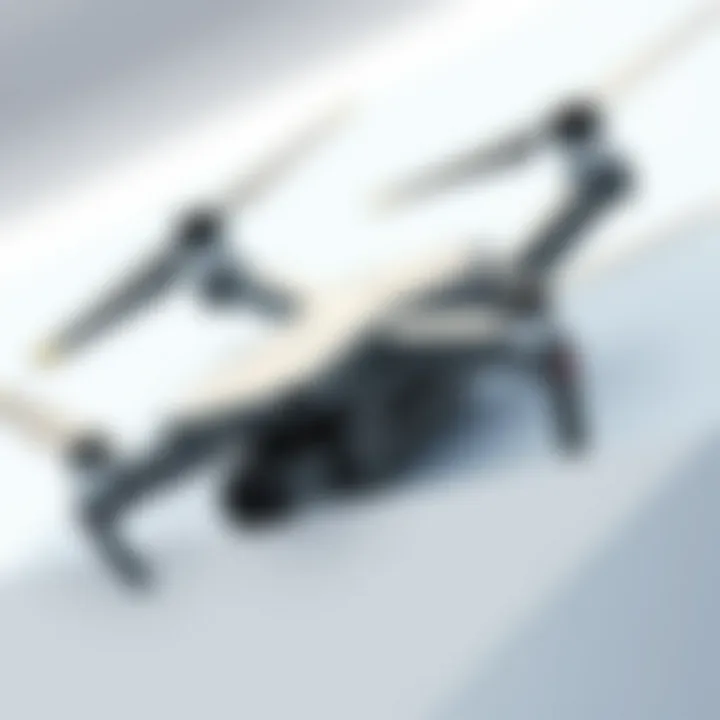
One of the first things to note about the Mavic Air 2 is its design. It's compact yet robust, which strikes a balance between portability and durability. This is especially important for people who might be on the move or exploring rugged terrain.
Next, let’s talk about the camera capabilities. An aerial drone is only as good as its camera, right? The Mavic Air 2 doesn’t disappoint on this front, with advanced features that allow both amateur and serious photographers to take stunning shots.
Also, flight time can be a deal breaker. This drone offers impressive endurance, allowing users to capture more footage without the constant worry of battery life.
Benefits of the Mavic Air
- Impressive camera quality with high-resolution offerings.
- Long flight time compared to similar models.
- User-friendly controls, making it a favorable choice for newcomers.
- Useful for a variety of applications, from recreational use to professional work.
Considerations about the Mavic Air
Of course, no product is without its drawbacks. Understanding the limitations is essential. For instance, it might not be the cheapest option in the market. Yet, some argue that the features justify the price, especially for enthusiasts who seek quality.
Additionally, users might need to familiarize themselves with the relevant regulations governing drone usage in their area to ensure compliance and safety. This insight into legal boundaries can influence how and where the drone is operated.
In summary, grasping the importance of the DJI Mavic Air 2 in the ever-changing technology landscape allows for an informed decision. It’s not simply about flying a drone; it’s about exploring possibilities in photography and videography while also adhering to safety protocols and regulations. Ultimately, the Mavic Air 2 can be a valuable addition to a tech enthusiast’s toolkit.
Key Specifications
Understanding the key specifications of the DJI Mavic Air 2 is vital for anyone considering this drone. Specifications not only outline a drone's capabilities but also help potential users determine if it meets their needs and expectations. They serve as a bridge between a manufacturer’s marketing claims and the practical experiences of users. These specifications provide crucial insights regarding performance, usability, and technology integration.
Physical Characteristics
Dimensions
The dimensions of the DJI Mavic Air 2 are quite striking, sitting at around 180 x 97 x 84 mm when folded. This compact size plays a significant role in its portability, making it a well-suited option for those always on the go. Being lightweight yet robust, the drone can easily fit into a backpack without burning a hole in your wallet with additional luggage fees when traveling.
A unique aspect of these dimensions is that they balance stability with aerodynamic efficiency, allowing for smoother flight patterns in various environments.
Weight
Weighing in at approximately 570 grams, the Mavic Air 2 strikes a neat balance between being light enough for easy transport and heavy enough to withstand moderate wind gusts. Users often find this weight an advantage; it’s not too hefty, making extended handling comfortable without compromising on durability. The drone's weight is particularly beneficial during longer flights, as it minimizes fatigue and enhances overall flight experience.
Material Quality
Material quality plays an important role in the Mavic Air 2's performance and longevity. Constructed mainly from high-grade plastic and metal components, the build feels premium without being excessively weighty. The sturdy yet lightweight materials can survive small bumps, making it a reliable choice for outdoor enthusiasts. However, the trade-off here comes with potential susceptibility to extreme weather conditions. While it can withstand light rain, exposure to heavy precipitation or rough handling might lead to wear over time.
Camera Features
Lens Specifications
The Mavic Air 2 sports a 24mm equivalent lens with an aperture of f/2.8. This setup is a treat for photographers looking for flexibility in capturing stunning visuals. The lens’ specifications significantly contribute to the overall versatility, allowing it to excel in scenarios ranging from sweeping landscapes to intimate close-ups. Users often appreciate the lens’ ability to achieve a decent depth of field, making it a popular choice for amateur and professional visual storytelling alike.
Image Quality
Image quality is one of the standout features of the Mavic Air 2, boasting a 48MP sensor that creates vividly sharp photographs. This high resolution allows users to capture details with impressive clarity. Enhanced by the drone's HDR capabilities, images appear more dynamic, capturing a broader spectrum of light and shadow contrast. Users have raved about the image quality, though they are advised to note that in varying light conditions, settings may need adjustments for optimal results.
Video Capabilities
When it comes to video capabilities, the DJI Mavic Air 2 does not disappoint. It offers 4K video at 60 frames per second, allowing for smooth, cinematic footage. This high-quality output is a game-changer for content creators looking to up their production quality. However, the file sizes can get hefty due to the quality output; thus, users should ensure they have sufficient storage ready. The drone features advanced gimbal technology which provides a remarkable amount of stabilization, reducing the jitter during flight, making it quite beneficial for aerial videography.
Battery and Flight Time
Battery Capacity
The Mavic Air 2 comes equipped with a formidable battery capacity of 3500mAh. This capacity translates to extended flight times that often surpass what other drones offer in its class. The benefit here is clear; more time in the air allows for greater exploration and shooting opportunities. However, heavier usage, particularly in strong winds, can lead to quicker battery depletion than anticipated.
Charging Time
With a charging time of about 1.5 hours, the Mavic Air 2 allows users to get back in the air at a reasonable pace. This relatively brief charging duration is appreciated, particularly for those using the drone for professional shoots, where every moment counts. Nevertheless, users would benefit from investing in spare batteries to avoid potential downtime if they plan longer sessions.
Actual Flight Duration
The actual flight duration can typically reach up to 34 minutes under ideal conditions, a feature that many operators find invaluable. This advantage allows pilots to execute more ambitious projects without the need to frequently land for battery changes. Still, it's important to note that flying aggressively or in windy weather may cut this time down, so planning your flights accordingly can make a world of difference.
Control System
Remote Controller Design
The remote controller of the DJI Mavic Air 2 has received acclaim for its ergonomic design, fitting comfortably in most hand sizes and allowing for an intuitive control experience. Each button and joystick placement feels deliberate, giving users easy access to critical functionalities. This design aspect is essential for keeping focus while flying, ensuring safety and enjoyment. However, some users have noted that the built-in phone holder can feel somewhat fragile, leading to occasional concerns.
App Integration
The DJI Fly app beautifully integrates with the Mavic Air 2, providing a user-friendly interface to control settings, plan routes, and access various camera modes. This compatibility enhances the overall flying experience, transforming how users interact with their drone. Yet, while the app offers numerous advantages, new users might find the initial navigation slightly overwhelming due to its depth of features.
Range and Connectivity
With a reliable range of up to 10 km, the Mavic Air 2 provides impressive connectivity, ensuring pilots can capture stunning shots without rotating like a hamster on its wheel. This extreme range allows for significant flexibility during flights, making long-distance shooting feasible. However, it's crucial for pilots to be aware of their surroundings and local regulations regarding drone flight to prevent mishaps or violations.
Performance Evaluation
The performance evaluation of the DJI Mavic Air 2 is a critical area of focus in this article. It encapsulates how well the drone operates in real-world scenarios, aligning with the expectations of users, from enthusiasts to professionals. A comprehensive evaluation digs into aspects such as stability, handling attributes, and the overall image and video quality produced by the drone. Users often prioritize these factors as they directly affect the experience of flying and the quality of content captured. This section will dive deeper into each characteristic that contributes to the drone's overall performance, helping potential buyers make informed decisions.
Stability and Handling
Stability and handling play a pivotal role in any drone’s usability. A well-stabilized drone leads to smoother flight experiences, particularly during complex maneuvers or adverse weather conditions. Understanding how the Mavic Air 2 performs in these realms is paramount for both casual users and professionals seeking reliable performance.
Wind Resistance
Wind resistance is one of those aspects that can make or break a flight. The Mavic Air 2 is designed with an intelligent aerodynamic structure that allows it to withstand strong winds, which can often throw less capable drones for a loop. A key characteristic here is its ability to maintain stability when facing gusts up to 30 km/h, which is quite impressive in this segment. When you’re out capturing a sunset over the ocean or getting that panoramic shot, knowing your drone can handle a bit of wind is certainly reassuring.
However, it’s good to remember that while the Mavic Air 2 shows robustness in windy conditions, common sense should prevail; if the gusts are wild enough, even this top-tier drone can struggle.
Hovering Capability
Hovering capability is another essential factor that greatly impacts the quality of aerial photography. The Mavic Air 2 offers precise hovering, thanks to its GPS positioning and advanced sensors. This is particularly useful when needing that perfect shot, allowing the user to focus on capturing images without constant adjustments. This kind of steady hovering is beneficial for both novice users who may be still learning the ropes and seasoned professionals needing assured stability while snapping high-quality images.
However, this comes with a caveat; poor GPS signals or complex landscapes can affect hovering accuracy. Nevertheless, the overall technology in the Mavic Air 2 holds up well under typical conditions.
Speed and Maneuverability
Speed and maneuverability reflect a drone’s ability to navigate through spaces efficiently and respond quickly to commands. The Mavic Air 2 zips along at impressive speeds of up to 68.4 km/h in Sport Mode, making it a fun option for those who enjoy a bit of thrill. This characteristic is particularly beneficial when tracking moving subjects, like wildlife or events.
Additionally, its responsive controls allow for sharp turns and agile movements without sacrificing stability. One unique feature remains its Smart Return to Home ability, which kicks in during low battery or loss of signal, ensuring a safe return, albeit at a slower pace. However, it’s worth noting that the higher speeds may make finer controls challenging unless you’re experienced.
Image and Video Quality
The quality of images and videos taken by a drone can often be the deciding factor in making a purchase. The DJI Mavic Air 2 pulls no punches here, delivering impressive results that capture vibrant colors and clear details.
Low Light Performance
When it comes to low light performance, the Mavic Air 2 excels with its large sensor size. This means that it can pick up more light, producing clearer shots even as the sun dips below the horizon. This characteristic is very attractive for photographers looking to shoot twilight or night scenes. While other drones in this category might struggle with noise or blurry images at dusk, the Air 2 manages to hold its own quite well. However, some users notice that pushing its limits in very dark conditions could result in a bit of grain. Having sufficient light is always advisable for the best results.
Stabilization Features
Stabilization features within the Mavic Air 2 use a three-axis gimbal system, which effectively minimizes unwanted movements, resulting in cinematic quality video footage. The ability to shoot videos in 4K at 60 frames per second can turn even the shakier of hands into a steady camera, as the drone compensates well for drone shakes. This feature becomes a treasure for filmmakers or anyone serious about producing professional content.
But, in challenging weather or exceptionally windy conditions, users might find slight difficulties in maintaining the level of stability they hope for.
Post-Processing Options
Post-processing options are crucial for users who want to fine-tune their work after shooting. The Mavic Air 2 offers options for RAW image capture, which provides significant flexibility in editing software, giving photographers control over elements like exposure and color grading. This capability makes it a favorite among professional photographers. On the flip side, it demands a bit more skill and knowledge in editing than straightforward JPEGs, which might be a drawback for beginners looking for simplicity.
Flight Modes and Features
Flight modes and features enrich the user experience, allowing for creative shooting and easy operation. The DJI Mavic Air 2 provides multiple options here to cater to various needs.
Shooting Modes
The different shooting modes available on the Mavic Air 2 make it well-suited for creative photography. Options like AEB (Auto Exposure Bracketing) and HDR (High Dynamic Range) can help in capturing images that are challenging to expose accurately in dynamic lighting. This flexibility is invaluable for serious photographers who wish to make the most of their aerial shoots. The simplicity of switching between modes is worth noting, but creative users may sometimes wish for even more specialized options.
Automated Flight Options
Automated flight options such as Dronie and Circle allow even novice flyers to capture impressive cinematics. These features can fly the drone in specific patterns without requiring much input from the operator. This is incredibly useful for time-lapses or creating dynamic shots with minimal effort. However, reliance on automation can sometimes limit creativity, as users might find themselves constrained by pre-set paths.
Intelligent Flight Features
Intelligent features like ActiveTrack and Point of Interest enhance the Mavic Air 2’s usability in capturing complex shots, ensuring subjects remain in frame regardless of their movements. The advantage here is that users can focus more on composition and less on chasing the subject. Nonetheless, intricate subjects in crowded or busy settings might test these intelligent systems, demanding more manual intervention than expected.
Comparative Analysis
In the rapidly advancing world of drone technology, a comparative analysis is pivotal to understand varying options and their respective merits. For the DJI Mavic Air 2, comparing it against previous models and competitors highlights its advancements, performance levels, and value offered. This approach not only assists potential buyers in making informed decisions but also sheds light on market trends, user preferences, and technological innovations. Each comparison serves to unveil specific features and functionalities that define the drone's place in a competitive landscape, elucidating its strengths and addressing potential limitations.
Vs. Previous Models
Mavic Air
The Mavic Air, launched earlier, made waves with its compact design and impressive performance. A standout characteristic of this model is its ability to capture stills at 12 MP and video at 4K resolution. This made it an enticing option for hobbyists and budding professionals. The Mavic Air created a bridge for users wanting high-quality imagery without the bulk of larger drones.
However, the Mavic Air's camera does lack some advanced features found in the Air 2, such as improved low-light performance and better stabilization. These limitations become noticeable in situations where light conditions vary. Therefore, while the Mavic Air retains its charm, it can be seen as more of a starting point in the evolution of DJI's flagship series.
Mavic Mini
The Mavic Mini revolutionized portable drones by melding affordability with performance. Weighing merely 249 grams, it is celebrated for its user-friendliness and ease of transport. The key feature attracts many who appreciate its no-fuss setup, making it ideal for casual users or those just dipping their toes into drone photography.
Nevertheless, the Mavic Mini's appeal comes with trade-offs. Its camera, while commendable, captures images at 12 MP, but lacks the capabilities to shoot in 4K. This limitation means that while hobbyists may enjoy its features, professionals seeking high-quality content often find it lacking. Thus, while excellent for entry-level users, it doesn't quite match the robustness of the Mavic Air 2, making it less suitable for serious applications.
Vs. Competitors
Autel EVO Lite
When set against the Autel EVO Lite, the Mavic Air 2 finds itself in a competitive skirmish. The Autel EVO Lite distinguishes itself with a larger sensor that captures 50 MP images. Its versatility in low-light conditions places it a notch above many, including the Air 2. Moreover, offering 6K video resolution attracts those looking for cutting-edge quality.
However, the EVO Lite's user interface presents challenges for some. Users may face a steeper learning curve, and many perceive the drone as bulkier than its competitors. In a market where ease of use matters, this could sway preference back to Mavic Air 2's simpler interface and better accessibility.
Parrot Anafi
The Parrot Anafi gives the Mavic Air 2 a run for its money with its unique 180-degree tilt gimbal, which allows for striking aerial shots from unconventional angles. It boasts 4K HDR video capabilities, complementing its 21 MP camera that appeals to creative planners. Many find its lightweight design and portability appealing too.
Despite its strengths, the Anafi struggles in wind performance and battery life compared to the Mavic Air 2. While ideal for creative, static shots, it might not suit those seeking reliable performance in varied conditions. This makes the Mavic Air 2 a preferred option for those who require versatility alongside quality.
The comparative analysis showcases how each drone positions itself within the market, highlighting their strengths and weaknesses that can significantly influence buying decisions.
User Experience
User experience plays a crucial role in evaluating the DJI Mavic Air 2 drone. It encompasses various dimensions, from setup and usability to the overall comfort of handling the device. A smooth user experience can make the difference between a drone that sits on a shelf and one that gets regularly flown.
Ease of Use
Setup Process
The setup process is a standout feature when it comes to the Mavic Air 2. It's designed not just for the tech-savvy but also for those who might not be as comfortable with technology. The first glance at the instructions gives an impression of simplicity. You'll find a clean layout, which contributes significantly to the overall experience.
A key characteristic of this setup process is the minimalistic approach. You don't get lost in a sea of technical jargon. Rather, it's straightforward. You can easily unlock your drone and get it in the air in no time. This ease of setup becomes a major plus for users who want to capture spontaneous moments. However, it's fair to mention that some first-time users might feel overwhelmed with initial updates and calibration steps—but that's expected from most drones nowadays. Overall, the convenience here makes it a popular choice for many, especially for those just diving into the world of drones.
User Interface of the App
The DJI Fly app is another area where the Mavic Air 2 shines. It has a clean design, which simplifies navigation. The element of this app is - it aligns with the drone's overall intuitive design. The availability of quick access to important settings and features allows for a smoother flying experience.
One unique feature is the tutorials integrated into the app. They guide you through both basic and advanced functionalities, making it easier for novice pilots to get the hang of things. However, the downside is that users with older smartphones might experience slight lag or bugs in usage, which can be frustrating. Yet, for the majority, this app offers an effective and user-friendly interface that enriches the piloting experience.
Learning Curve
Beginner-Friendly Features
In the realm of beginner-friendly features, the Mavic Air 2 stands out significantly. One aspect that highlights this is its smart flight modes. These automatic settings allow users to focus more on creativity rather than technicalities, making it a breeze for those who are still learning.
It’s like having a seasoned pilot as your co-pilot, helping you navigate without any fuss. For instance, the
Safety and Regulations
The realm of drone usage isn't just about flying high; it's crucial to ground those aerial dreams with robust safety and regulatory considerations. For the DJI Mavic Air 2, understanding safety features and regulations is paramount. These considerations not only elevate the reliability of the drone but also foster a sense of accountability among users. A well-rounded grasp of safety and regulations can ease anxieties tied to drone operation, whether for recreational fun or professional endeavors.
A significant reason to prioritize this section is to highlight the inherent risks associated with drone use, which can lead to accidents, property damage, or even legal repercussions if not navigated wisely. As competitors continue to develop smarter drones, enhanced safety features become essential for consumer confidence.
Built-In Safety Features
Obstacle Detection
Obstacle detection is a game changer in the DJI Mavic Air 2’s operation. This system is designed to prevent the drone from crashing into objects during flight by utilizing sensors that scan the environment. This ensures that users can focus on capturing stunning footage rather than worrying about potential collisions. One standout characteristic of this technology is its ability to work in various terrains, making it versatile for different flying conditions.
A unique feature of the obstacle detection is the drone's capability to automatically adjust its flight path when encountering obstacles, a benefit that can save you from expensive repairs. However, a notable downside is that this system may not detect every object, particularly in cluttered environments, leading to possible mishaps. Still, keeping the potential limitations in mind, obstacle detection remains a vital safety hallmark for potential buyers.
Geo-Fencing Capabilities
The geo-fencing feature serves as a virtual safety net for drone pilots by establishing designated flight areas. By programming no-fly zones directly into the drone's interface, DJI ensures users remain compliant with airspace regulations while protecting sensitive areas. This capability is not just good practice; it can prevent unintended breaches of airspace that could have legal repercussions for the drone operator.
What makes geo-fencing particularly user-friendly is how it employs GPS data to automatically limit flight operations based on the drone’s location. However, it's essential to recognize that there may be instances where geo-fencing might interfere with planned routes, especially in regions where data isn’t completely up-to-date. That said, embracing geo-fencing as a feature demonstrates a commitment to responsible drone operation.
Legal Considerations
Flight Regulations
Understanding flight regulations is paramount for anyone venturing into the skies with the DJI Mavic Air 2. Regulations govern where, when, and how a drone can be flown, serving to uphold airspace safety and public well-being. A key characteristic of these regulations is that they differ from one area to another, particularly between urban and rural settings. This variability necessitates a keen awareness of local guidelines before takeoff.
The unique aspect of flight regulations is their capacity to evolve due to technological advancements and societal needs. Potential drone operators must stay informed about updates to these laws, which can provide advantages in ensuring compliance and operational efficiency. However, failing to adhere to these regulations can result in penalties or even confiscation of the drone. Thus, knowledge of flight regulations is an investment in a more secure flying experience.
Privacy Issues
Privacy concerns associated with drone usage cannot be overlooked. As aerial photography becomes commonplace, individuals are increasingly aware of their rights regarding privacy. This characteristic of privacy issues is particularly significant because the drone’s camera capabilities can inadvertently capture images of private property, raising ethical questions.
Fortunately, addressing privacy concerns can enhance trust between drone operators and the public. Users who remain mindful of where and how they operate their drones exhibit respect for fellow citizens’ privacy. However, a challenge persists: the rapid pace of technology often outstrips the speed of regulatory changes regarding privacy. As a result, operators should remain cautious about their operational choices to circumvent potential privacy violations or disputes.
By putting emphasis on safety features and regulations, DJI Mavic Air 2 users can confidently navigate the skies while minimizing risks and fostering responsible drone usage.
Pricing and Value Proposition
Understanding the pricing and value proposition of the DJI Mavic Air 2 is essential. This section dives into how the positioning of this drone in the market can shape the decisions of potential buyers, especially among tech enthusiasts and professionals. Given the growing interest in drone technology, detailing how price aligns with features is crucial. A well-priced drone not only attracts buyers but also adds weight to its value in practical applications. The Mavic Air 2’s pricing strategy reflects its capabilities, ensuring it stands out in its class without breaking the bank.
Market Positioning
Average Price Range
The average price range for the DJI Mavic Air 2 typically sits around $799 to $999, depending on whether one opts for extra accessories or bundles. This pricing is a competitive advantage, as it positions the drone firmly between entry-level models and high-end professional drones. It reflects a crucial balance between affordability and investment. The most striking aspect of this price range is that it offers a blend of advanced features normally found in pricier counterparts, such as superior camera quality and autonomous flying capabilities without the steep cost.
In this price bracket, buyers are not just investing in a piece of technology; they are purchasing enhanced versions of imaging and flying experiences ideal for hobbyists and semi-professionals.
Pros: The cost is reasonable considering the features provided.
Cons: Additional accessories could push the price beyond initial expectations - something to keep in mind for buyers on a budget.
Value Compared to Features
When analyzing the value compared to features, the Mavic Air 2 truly shines. It offers a unique value proposition through its integration of robust functionalities, such as a 48 MP camera and 4K video recording capabilities. The distinct advantage here is the combination of quality and affordability. Buyers are not left wanting, as the drone accommodates a variety of needs from casual photography to more serious filming projects. Its intelligent flight modes, along with a solid battery life, add to the overall value which many competitors lack at similar prices.
- Key Characteristics: The drone’s features are tailored to maximize performance, presuming that buyers appreciate quality over quantity.
- Advantages: It can easily handle professional-grade tasks, making it versatile.
- Disadvantages: While the features are packed, heavy users might find limitations in longer shoots.
Good for Specific Use Cases
The Mavic Air 2 is engineered to accommodate an array of flying applications, making it a worthy consideration for different user profiles. It’s not just another drone on the market; it caters to specific niches effectively.
Recreational Use
For recreational use, the Mavic Air 2 stands out for its ease of operation and appealing features. It allows users to explore the skies without an extensive learning curve. The built-in intelligent modes and user-friendly app primarily welcome new users, ensuring they can capture stunning footage almost effortlessly. Such accessibility has contributed to its popularity among hobbyists and outdoor enthusiasts.
- Benefits: Users can focus more on creativity rather than technicalities.
- Drawbacks: Casual use might not utilize all the features the drone offers.
The Mavic Air 2 isn’t just a good flying machine; it’s a gateway into the world of aerial photography.
Professional Photography
On the flip side, the Mavic Air 2 also caters well to professional photography. With its breathtaking image clarity and advanced shooting options, this drone can be an asset to professional creatives aiming to elevate their work. Featuring HDR capabilities and various shooting modes, it satisfies even discerning photographers looking for portable solutions.
- Key Aspect: It produces visuals that can stand toe-to-toe with more expensive equipment.
- Advantages: Convenience of transport combined with high quality.
- Disadvantages: May not fully replace high-end DSLRs for specific projects but works great as a supplementary tool.
Epilogue
In the fast-paced world of drone technology, knowing how to choose the right drone can be daunting. The DJI Mavic Air 2 serves as a notable contender for both recreational and professional users. Its blend of advanced features and user-friendly interface makes it a topic worth exploring, especially for IT professionals and tech enthusiasts keen on aerial photography and videography. This final section encapsulates the core insights of our review, emphasizing the importance of understanding both the capabilities and limitations of this drone.
Summary of Findings
The DJI Mavic Air 2 boasts a remarkable set of specifications and features that distinguish it in the crowded drone market. Here are some of the key findings discussed in the earlier sections:
- Performance: The drone excels in flight stability and image quality, thanks to its robust engineering and sophisticated software. It handles winds well, making it suitable for various conditions.
- Camera Quality: With a 48 MP camera capable of recording in 4K at 60fps, it appeals to photographers and videographers seeking high-quality footage. The low light performance particularly stands out.
- User Experience: Many users find the setup process intuitive. The accompanying app enhances the flying experience with features like real-time analytics and effortless sharing options.
- Safety: Built-in safety features, such as obstacle detection and geo-fencing, ensure that flying the drone is not only enjoyable but also secure.